

The Summer of 2014
Growing up, I couldn’t wait to start working and making money. As soon as I was able to drive, I was looking under every rock to find employment. Finish Line didn’t want me despite my vast expertise with Jordans, and I had and still have zero business working in food service.
After a dozen job applications, I landed my prestigious role at Office Max. Do you remember the scene in Titanic where they are playing their instruments as the ship is going down? That was basically my job working at an office supply store in the 2010s.
I was even making a cool $1.25 above the minimum wage, I felt rich. That Spring I had taken a Dave Ramsey course, so saving was a priority for me at that time. After all, I was under the impression that I could put all of my money in envelopes and be well off someday.
The person in my life who taught and spoke to me about money was my Nana. Simple lessons like turning the car off when you’re parked, don’t spend more than you make.
When I informed her of my newfound wealth and desire to save, she gave me this advice. “Go down to the bank and get yourself a CD, they are paying 8% interest.” I’m not very bright but I knew that was an unbelievable rate.
Much to my surprise when I walked into the bank and asked for an 8% interest CD, I found out that I was about 7.7% too high. 0.3% to let the bank hold my money for six months.
CDs were paying 8% interest in 1984, not in the Summer of 2014.
Saving is Linear. Wealth Isn’t.
The fundamental truth I learned in 2014 is that you can’t save your way to abundance.
You can however save your way to financial security. Saving is like the foundation of a house. Without that stability or if cracks are formed, your planning will be short lived when the storms of life blow through.
The problem with saving advice in 2026 is that it is stuck in the 1980s, like the advice my Nana gave me. Every guru has their quick fix and emergency fund advice which are all reasonable solutions.
The common issue is that all of these gurus are giving advice based on strategies that pre-date the internet and hold on to the merit that cash earns real money. There is also declining trust in the dollar and the banking system as a whole at the time of this writing.
Imagine you follow a system of setting aside money for saving in an envelope every month. Your goal is to set aside a million dollars by the time you reach sixty years old and you’re thirty-five.
Using today’s figures for high interest savings, which are near 3% interest, you would need to save $2,300 a month to reach your goal! Taking it further, it will take 24 years for your money to double at that rate.
You cannot save your way to wealth. Saving money with the expectation of becoming wealthy is like driving a Honda Civic and expecting to win the Daytona 500.
Wealth Compounds. Saving Does Not.
There is a simple formula that can be followed for wealth building, it’s called The Rule of 72.
The Rule of 72 determines how long it will take for your money to double based on a certain interest rate. You simply take the number 72 and divide it by the desired rate you’d like to earn on your money.
Here is an example, you put $1,000 into an index fund that has averaged an 8% annual return, and you’d like to know when to expect your money to double. You would take 72/8, which equals 9. It would take nine years for your $1,000 to turn into $2,000 at an 8% annual return.
The same can be done with other assets like a business or real estate. If your business is growing by 15% a year, that means you’re on a trajectory to double the value of your business every five years.
Saving money in a bank account earning no interest or throwing cash underneath your mattress does not give you these benefits. It’s a strategy that does not reward you for your effort or hard work.
Said differently, wealth does not find you by saving five times more than your neighbor. Wealth is the reward for you taking advantage of opportunity that compounds over time.
Ownership Is How Wealth Is Built
What do Elon Musk and the old man in your town who owns a chain of laundromats have in common? They own things.
It took me four years getting a finance degree, seven years’ worth of client meetings, and an unfortunate business mistake to learn what I’m sharing with you now.
The most financially successful individuals have ownership in something.
If you want to accumulate wealth, focus on owning something valuable. If you want to expedite the rate at which you accumulate wealth, focus on owning something and making it even more valuable than it is today.
Did you know that Elon Musk wasn’t actually the person who came up with Tesla? He came up with what it is today and beyond, but he wasn’t actually the person who started the company.
You don’t have to be Elon Musk, but you can easily do something similar at whatever level is attainable and exciting for you. You can buy an existing business in your town, streamline and update its services, and make it more valuable.
Not entrepreneurial or have what it takes to run a business? Have ownership in the 500 largest companies in the United States. It’s called the S&P 500, and you can easily have ownership just by investing in the index.
Ownership does not always mean responsibility. It does however require skin in the game. One of my favorite quotes from the book The Richest Man in Babylon is “lady luck shows her hand to those who take action.”
You must take action and ownership has risk. The reward for action and risk is wealth that endures and compounds faster than any amount of effort spent saving.
My next post will be focused exclusively on how to find an existing business that is worth owning and strategies you can leverage to increase its value after you purchase it.
Where To Start
If you want to be wealthy, you have to commit to owning something. You do not need to commit to being a business owner, but you should not let that be your excuse to not be an owner.
Investing in stocks, indexes, real estate, etc. are all a gateway to ownership. Ultimately it comes down to your goals and how much responsibility you want to take on that will determine which path is best for your situation.
Responsibility does not always equal a better outcome. Most business owners would tell you their business has not grown as fast as a stock portfolio.
I will continue to educate on how to identify opportunities, the pitfalls to watch out for, and things you should personally consider as you work to accelerate your wealth building.
The only silver bullets to success are action and commitment. Everything else is misleading and out of your control.
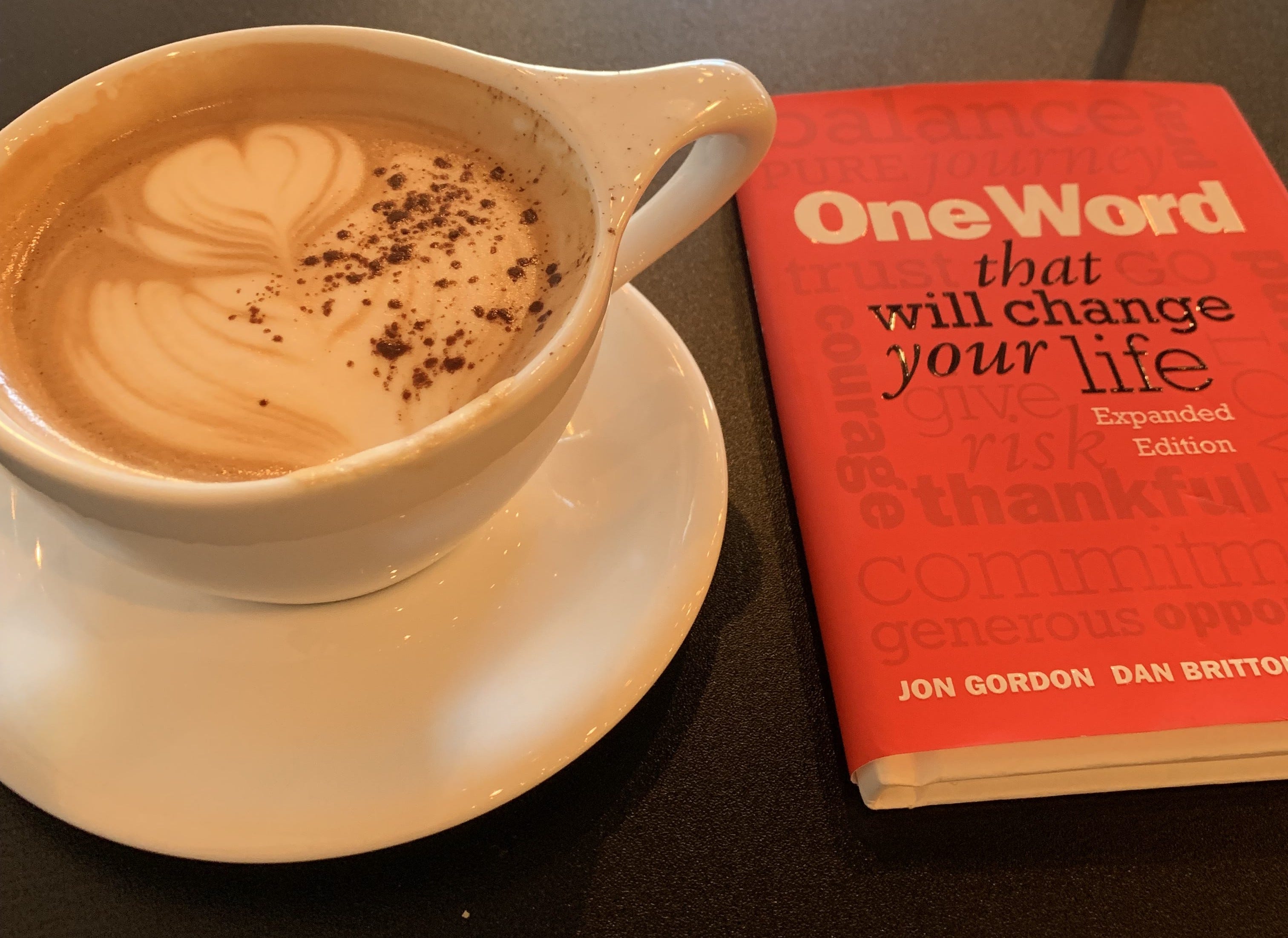
How I Started Tasting the Notes in Coffee
Notes, for those less familiar with coffee, are the scent and taste within the roast. Some roasts are fruity, acidic, sweet, nutty, chocolaty, or floral.
Grace and other coffee savants could give you a professional and distinguished answer on how to taste and identify notes in coffee. I am not a professional or a savant, but I have drunk enough coffee to now know exactly what I’m tasting.
Here is my completely average joe answer for how I learned to taste the notes in coffee. I started drinking fruity and acidic coffee, which is not my personal favorite.
Fruity and acidic coffee is potent; you’ll know if you love it or hate it pretty quickly. In my average joe opinion, it’s on the far end of the taste spectrum from an extremely dark roast.
After sipping on that for a while, then I shifted over to nuttier and chocolaty flavors. For whatever reason, I could immediately pick them up.
I know I’m going to love a roast when I see some sort of combination of a nut, chocolate, and blueberry.
Try the average joe method for yourself and tell me what you think.
I’ll see you in a few days, cheers!
Cash isn’t always king.
You have to save money but then you need to invest that saved money - let the markets work for you.